
How to Win Super Head Soccer 1v1s
Match tactics for scoring, defending, and closing out ranked games in the 2D head-soccer arena.
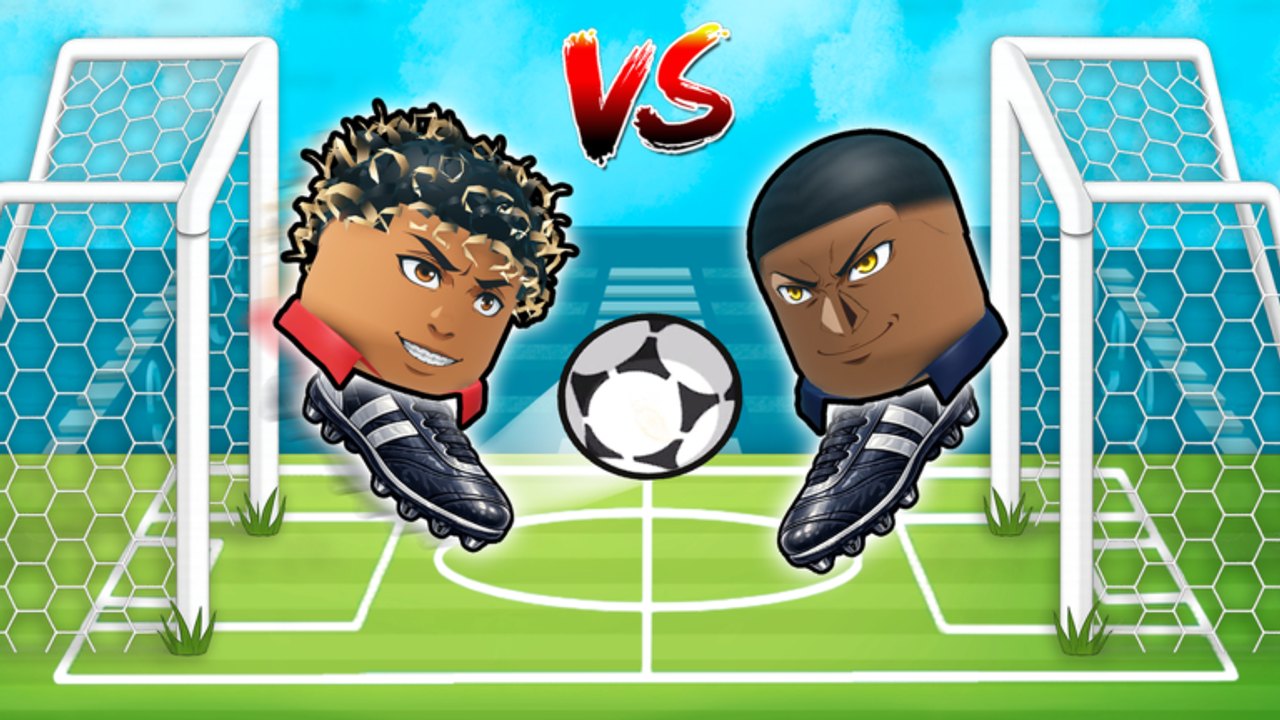
Winning a Super Head Soccer 1v1 is a timing puzzle wearing sports clothing. You and one opponent share a 2D stadium, a ball that loves awkward bounces, and a short clock that punishes greed. This guide turns highlight videos into repeatable tactics: how to open, how to control midfield, how to survive the goal line, when to spend a power move, and how to close a lead after map voting downtime.
The experience—often titled [RANKED] Super Head Soccer on Roblox—is built by God Bless Zak / 1Day Games and remains in beta. Clips inspire; habits climb. Pair this page with Controls, Ranked Guide, and Strategy Tiers.
The five phases of a match
- Pre-match — Map vote + side select
- Opening — First 10–20 seconds after kickoff
- Midfield fight — Possession quality, not just touch count
- Box / goal-line — Where ranked games actually end
- Reset — After every goal, including yours
If you only practice phase 3 highlight shots, you will keep leaking phase 4 goals.
Phase 1: win the downtime
Players complain that voting and side picks slow the vibe. Good. That pause is a free coaching huddle.
- Vote a map whose bounces you know.
- Take the right-side view when possible; many athletes read arcs better there.
- If flipped, pre-commit to a safer playstyle for the first goal cycle.
- Set one tactical cue: “wide clears only” or “second-touch shots.”
Then lock in. Kickoff rewards the player whose brain arrived early.
Phase 2: openings that do not self-destruct
Option A — Soft receive: Let the first header be controlled; retreat half a step; build. Option B — Hard contest: Jump early only if you won midfield wars in warm-ups. Option C — Bait: Feign contest, let them over-jump, then strike the drop.
Aggressive striker types default to B and need the discipline to swap to A when behind on reads. Goal-line minds default to A/C and must avoid permanent camping.
Never open with an instant power unless the angle is absurdly free. Wasted charge is a silent own-goal.
Phase 3: midfield control principles
Midfield is where you choose tempo.
- Kill speed with soft contacts when you are ahead.
- Add speed with directed headers when you are behind.
- Avoid vertical pops that erase your positioning advantage.
- Watch opponent jump habits; punish autopilot Space spam.
Midfield controllers from the Players Hub thrive here. If that is not your identity, still steal two ideas: delayed jumps and intentional second touches.
Phase 4: goal-line defense that wins ugly
S-tier habit on the Tier List: composure on the line.
Checklist while the ball pinballs near your net:
- Feet first—are you centered enough?
- Surface choice—header vs shoe clear.
- Jump necessity—ground contact might be safer.
- Follow-through—where does the clear land?
Wide clears beat central clears when the opponent camps the middle. Central clears are fine when you can chase the bounce yourself. Panic double-jumps are how highlight reels happen for the other person.
Power timing that actually scores
Power moves are the trailer moment. They are also the fastest way to donate possession.
Green light powers
- Opponent is recovering from a missed leap
- You have outward angle toward far post
- Charge finished before you commit the swing
Red light powers
- Neutral midfield 50/50
- Your back is already on the goal line
- Opponent is waiting with a primed counter jump
Hold charge as a threat. The threat changes how they jump even when you never fire.
Counter-scoring patterns
The counter-scorer playstyle converts defense into one clean break:
- Absorb pressure with a safe clear.
- Take the second touch forward while they are still turning.
- Finish before they reset—sometimes without power.
Practice this in casual until the sequence is boring. Boring means reliable.
Closing a lead
When you are up one:
- Shrink experiments.
- Clear wide.
- Refuse midfield hero powers.
- Use voting downtime between rematches to rest hands, not to browse script menus.
When you are down one:
- Increase pressure gradually.
- Force them to clear under stress.
- Save power for the first true opening, not the twentieth hopeful swing.
Reading common opponent types
| What you see | Likely identity | Answer |
|---|---|---|
| Instant chase every bounce | Aggressive striker | Bait jumps, counter |
| Deep stance, rare ventures | Goal-line keeper | Patient chips, delayed power |
| Soft touches, tempo changes | Midfield controller | Break rhythm with sudden speed |
| Obvious charge every possession | Power specialist | Pre-jump the tell, punish whiff |
Update your read after each goal. Stubbornness is not a strategy.
Practice plan tied to wins
- Day A: Only defensive drills from Controls
- Day B: Only counter finishes in casual
- Day C: Ranked block using Ranked Guide stop-loss rules
- Day D: Review one loss; rewrite a single cue
Optional inspiration: study clean movement in challenge videos, then recreate one technique—not the entire clip.
Anti-goals: habits that lose matches
- Celebrating mechanically before you are ready for the next kickoff
- AFKing map votes then panic-queuing inputs
- Copying codes or cheats during downtime instead of breathing (Codes are unrelated to mechanical wins)
- Blaming beta physics every time you early-jump (check Updates only after you review the replay honestly)
Put it together
A winning Super Head Soccer 1v1 looks quiet from the outside: early vote, preferred side when possible, patient opening, selective midfield speed, boring clears, terrifying power threat, calm reset. Highlight reels are the trailer; this checklist is the product.
Return to Getting Started if lobby flow still confuses you, and keep Official Links handy for Discord events where high-level 1v1 habits show up live.
Frequently Asked Questions
Quick answers for Super Head Soccer players.
What is the fastest way to win more 1v1s?
Fix goal-line composure and stop wasting power moves. Those two changes outperform learning flashy volleys first.
Should I always play aggressively?
No. Aggression works when your timing is hot. Otherwise soft openings and counters win more ranked sets.
How do I practice without ranked pressure?
Use casual matches with a single focus cue—only clears, only counters, or only delayed jumps—then return to ranked with a stop-loss plan.
Does side selection really matter for winning?
Comfort matters. Many players prefer the right-side view. If flipped, simplify tactics until orientation catches up.
Where should I go after this guide?
Study Strategy Tiers and Playstyles, then apply the Ranked Guide session template for consistent climbing.